Skip to content





When you drive down a smooth asphalt road or pull into a freshly paved parking lot, you’re seeing the result of specialized paving equipment working in perfect coordination. Professional asphalt paving isn’t just about pouring hot mix asphalt and smoothing it out. It requires an entire fleet of paving machines, each serving a specific purpose in creating durable, long-lasting pavement.
What Machines Are Used for Asphalt Paving?
At C. Brooks Paving, we’ve spent four generations mastering the art and science of asphalt work across Bulverde TX, the Hill Country, and South Texas. Our experience has taught us that quality asphalt paving starts with the right equipment and knowing exactly how to use it. Whether we’re working on residential driveway installation, commercial asphalt parking lot repair, or major road construction projects, the paving machines we use make all the difference.
The Asphalt Paving Process: A Symphony of Paving Machines
Professional paving projects involve multiple stages, and each stage requires different construction equipment. From removing old asphalt to applying the final seal coat, every piece of equipment compacts, shapes, or prepares the paved surface. The paving process typically flows from preparation to installation to finishing.
Understanding what equipment is used for asphalt work helps property owners appreciate why paving contractors deliver better results than DIY attempts. It’s about knowing which machines are used at what stage and how to operate them for the best outcome.
Asphalt Pavers: The Heart of Paving Operations
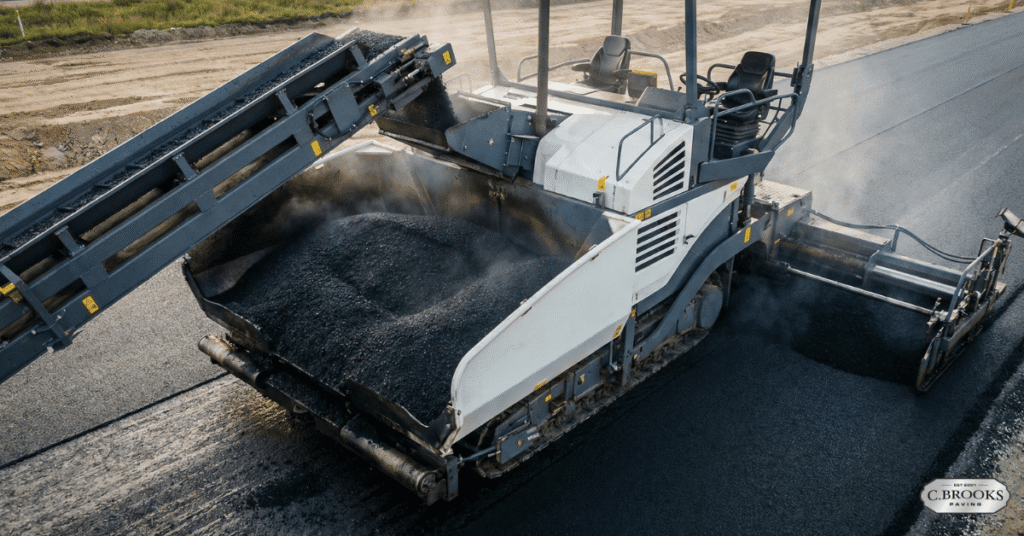
The asphalt paver is a self-propelled formless laydown machine with a floating screed that actually lays down the hot mix asphalt in uniform thickness and width. Modern asphalt paving machines are incredibly sophisticated pieces of equipment available for HMA compaction projects ranging from narrow residential driveways to wide highway lanes.
There are two main types of paving equipment:
- Wheel asphalt pavers: Better for highway work and larger paving applications where maneuverability isn’t as critical
- Track asphalt pavers: Ideal for smaller jobs, residential work, and paving projects requiring tight turns or precise positioning
The most critical feature of the paver is the self-leveling screed. This heated paver screed at the back of the machine smooths and compacts the HMA as it’s laid down, flattening the asphalt for the final surface. High-quality asphalt paving equipment used by paving contractors like C. Brooks Paving features adjustable screeds that can handle different mat thicknesses and widths. The hopper at the front of the paver receives hot asphalt from the plant via dump trucks, feeding it back to the screed at a controlled rate.
Milling Machines: Preparing Asphalt Surfaces
Before laying new asphalt, the top layer of existing pavement often needs removal. That’s where the milling machine comes in. These powerful machines grind away old asphalt, creating a clean surface for new material. Milling and paving work together to ensure proper bonding between the asphalt layers.
Asphalt milling serves several important purposes:
- Removes deteriorated existing asphalt that would compromise the new layer
- Maintains proper grade and elevation for drainage
- Creates a textured surface that helps new asphalt bond better
- Milling is also commonly used to remove a distressed surface of the road
One often overlooked benefit is sustainability. The removed material can be recycled and used in new hot mix asphalt, reducing waste and costs. When C. Brooks Paving handles pothole repair in Bulverde or larger resurfacing projects, proper milling ensures the new asphalt surface will last for years.
Rollers and Compactors: Creating Long-Lasting Pavement
Many property owners don’t realize that proper compaction is just as important as the paving process itself. Without adequate compaction using specific equipment, asphalt will deteriorate quickly, developing cracks and potholes within a few years instead of lasting decades.
Three basic pieces of equipment available for HMA compaction include:
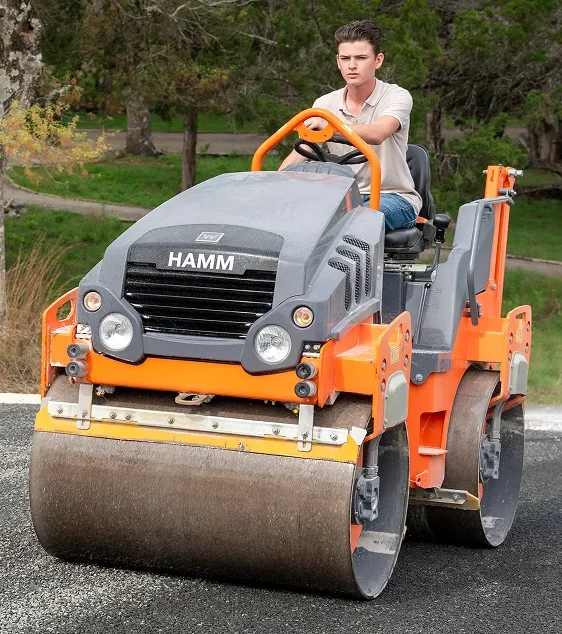
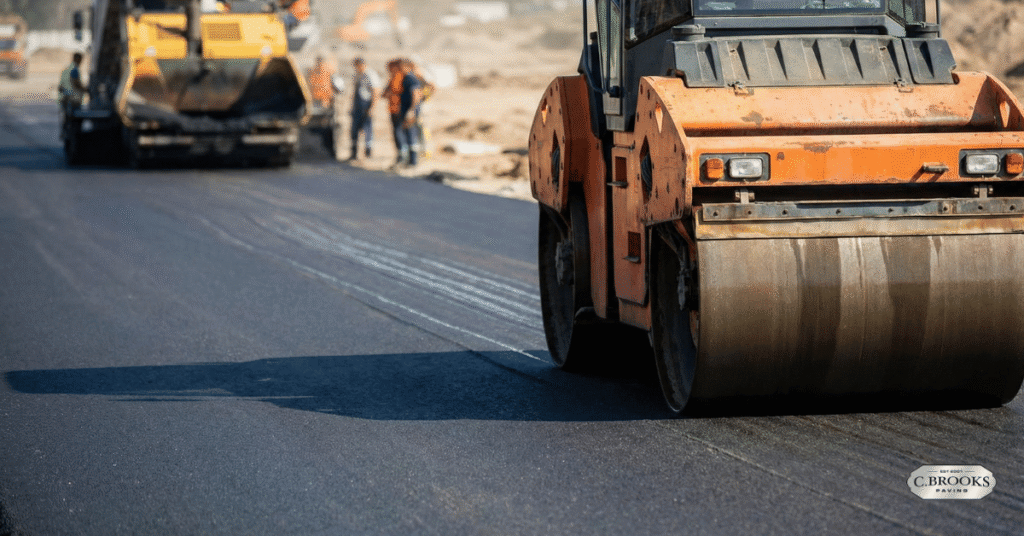
- Breakdown rollers: Heavy steel drum rollers used for initial compaction immediately after the asphalt paver lays material
- Intermediate rollers: Pneumatic tire rollers that knead the asphalt for better density
- Finish rollers: Lighter steel drum rollers that create the final paved surface
The compaction process typically requires multiple passes with different types of paving equipment. Lower equipment speeds will produce better compaction, while higher equipment weight will also increase density. Experienced operators know exactly when to make each pass for optimal results.
This is one area where paving companies truly shine. C. Brooks Paving’s crews understand how temperature, weather conditions, and mix design affect compaction. That expertise translates directly into longer-lasting asphalt surfaces for our customers across South Texas.
Material Transfer Vehicles and Dump Trucks: Transportation Essentials
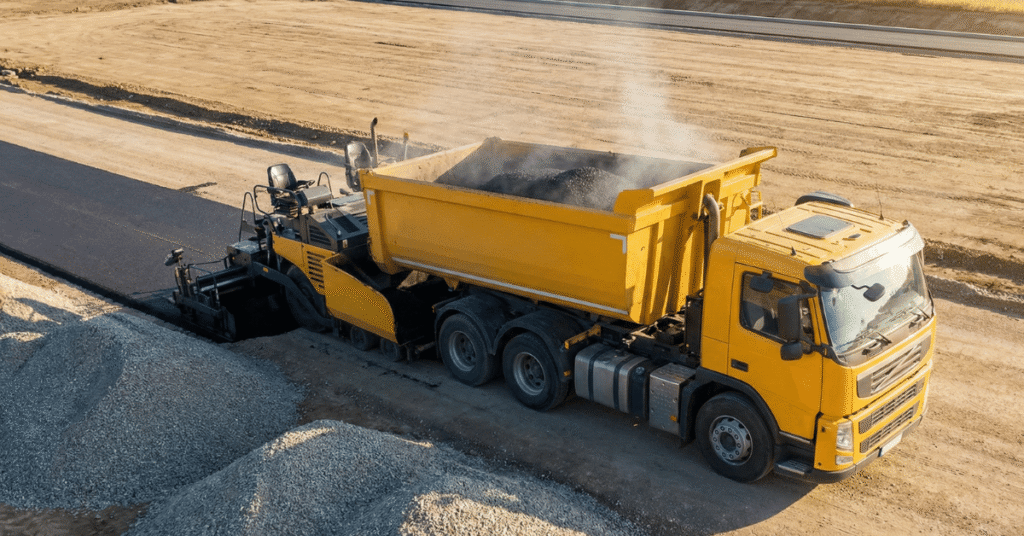
Trucks move the hot asphalt from the plant to the paving site and may minimize waiting time at the paving site. End dump trucks are commonly used to transport the asphalt, maintaining proper temperature during delivery. Professional paving contractors coordinate deliveries carefully to ensure continuous paving operations without delays.
Material transfer vehicles are also used to assist the paver in accepting hot mix asphalt. These machines reduce segregation and improve mat quality by eliminating direct truck bed – paver contact. This specialized construction equipment plays a vital role in asphalt paving quality.
Asphalt Distributors: Creating Proper Bonding Between the Asphalt Layers
Asphalt distributors are specialized trucks that spray tack coat or prime coat containing asphalt binder onto surfaces. These liquid applications create proper bonding between the asphalt and the base course or between different pavement layers.
Tack coat is essential when paving over existing asphalt. Without it, the new layer can separate from the old, leading to premature failure. Prime coat serves a similar purpose when paving over aggregate base material.
These machines apply crucial bonding materials for chip seal paving projects, which are common throughout Texas. C. Brooks Paving uses distributors extensively for tar and chip seal work on rural roads and driveways throughout the Hill Country.
Supporting Equipment Used in Asphalt Paving
Several other machines use specialized functions to make paving projects successful. Skid steers and loaders move materials around, position equipment, and handle cleanup duties. Asphalt cutters are used to cut clean edges for repairs and installation work.
For maintenance and repair, crack filling machines seal cracks before they spread. Sealcoating equipment applies protective coatings that shield asphalt on the ground from UV rays, water, and chemicals, extending pavement life significantly.
Cleaning equipment like brooms and blowers prepare surfaces before paving and clean up afterward, ensuring proper adhesion for the new asphalt layer.
Why the Right Equipment and Paving Contractor Matter
The difference between contractor-grade paving equipment and renting the equipment yourself is substantial. Professional asphalt paving machines lay material more uniformly. Commercial-grade compactors are used to achieve better density and longer-lasting results.
Beyond the machines themselves, operator skill makes an enormous difference. Running an asphalt paver or roller properly requires training and experience that allows the new asphalt to perform as designed for decades.
C. Brooks Paving brings four generations of experience to every project we handle in Bulverde TX and throughout South Texas. Our investment in professional paving equipment, combined with our skilled crews, ensures that whether we’re handling driveway installation, parking lot repair, road construction, or cleaning and maintenance, the results will stand the test of time.