Skip to content





Yes, chip seal is one of the best surface options for country roads that carry light to moderate traffic. It costs 30 to 40% less than asphalt, seals out water, controls dust, and gives tires strong grip. For most rural lanes, ranch roads, and long private drives, it delivers reliable performance without the price tag of a full asphalt overlay.
That value is exactly why it’s so common. Industry estimates show more than 60% of county roads in the United States are maintained with chip seal, because it extends pavement life at roughly 20 to 30% the cost of an asphalt overlay. If you own property down a long country road, understanding where chip seal shines (and where it doesn’t) helps you make a smart, cost-effective decision.
Key Takeaways
- Chip seal fits low-to-moderate traffic country roads where a full asphalt overlay would be unnecessary or too expensive.
- It costs $2 to $5 per square foot installed, about 30 to 40% less than asphalt.
- A single chip seal lasts 5 to 10 years; a double application lasts 12 to 15 years on low-traffic roads.
- It’s a strong upgrade over gravel or dirt, cutting dust, mud, and washouts.
- It’s not ideal for highways, heavy truck traffic, or high-speed roads, where aggregate loss speeds up.
Is Chip Seal Good for Country Roads?
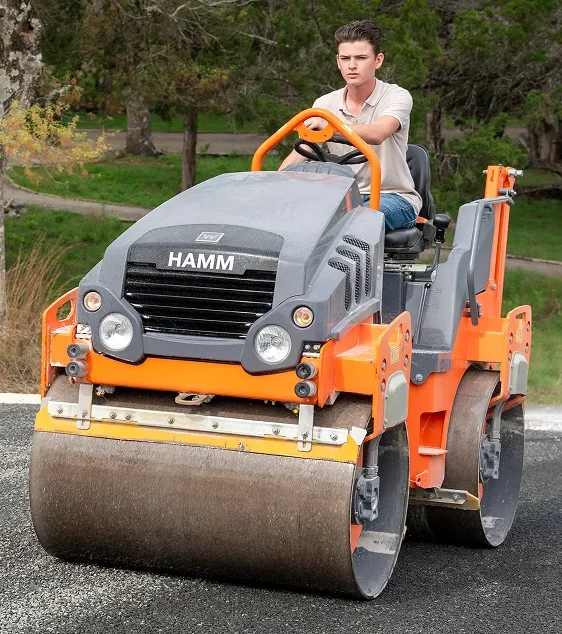
Chip seal is an excellent match for country roads with light to moderate traffic. The surface is made by spraying a layer of liquid asphalt, then spreading and rolling crushed stone on top. This process, known as a bituminous surface treatment, creates a durable, weather-resistant road that keeps water out and holds up well to temperature swings.
Country roads are ideal candidates because they usually carry lower traffic volumes at modest speeds. Pavement guidance places rural, secondary, and collector roads squarely in the “ideal” column for chip seal, while reserving asphalt for major arterials and highways. For a quiet lane, farm access road, or ranch entrance, chip seal gives you a solid, long-lasting surface at a fraction of the cost.
It also handles the Texas climate well. The flexible emulsion binder expands and contracts with heat, so the surface resists the cracking that stresses rigid pavements in hot weather.
What Makes Chip Seal Work Well on Rural Roads?
Chip seal earns its place on country roads through three practical strengths: lower cost, better traction, and dust control. Each one matters when you’re surfacing long stretches of road on a budget.

How Much Can You Save Compared to Asphalt?
Cost is the biggest reason rural property owners choose chip seal. Installed chip seal runs $2 to $5 per square foot, while asphalt typically costs $6 to $9 per square foot. On a long country road, that 30 to 40% savings adds up fast.
For large rural surfaces, that difference can be the deciding factor. A road that would be too expensive to pave in asphalt often becomes affordable with chip seal, which is why so many counties rely on it to maintain miles of low-volume roads.
Does Chip Seal Improve Traction and Safety?
Yes. The crushed-stone surface creates a naturally textured finish that grips tires well, especially in wet conditions. That traction is a real safety advantage on country roads, which often lack lighting, shoulders, and regular maintenance.
The rough texture helps vehicles hold the road on curves and inclines. Industry analysis highlights this skid resistance as a key reason chip seal suits rural stretches and steep grades where stability matters most.
Can Chip Seal Upgrade a Gravel or Dirt Road?
Chip seal is a smart upgrade from gravel or dirt. Applied over a compacted base, it locks down loose stone, cuts dust, and stops the mud and ruts that plague unpaved roads. It also prevents washouts during storms, a common headache on rural roads.
Compared with constantly regrading and re-graveling, chip seal is a lasting fix. If you’re weighing surfaces, our guide to tar and chip seal vs gravel for ranch driveways breaks the choice down in detail.
How Long Does Chip Seal Last on Country Roads?
A single chip seal application lasts 5 to 10 years on country roads, and up to 15 years on very low-traffic lanes with proper care. A double chip seal (two layers of emulsion and stone) extends that lifespan to 12 to 15 years. Lower traffic means longer life.
Lifespan depends heavily on how the road is used and built. For the full picture, see our breakdown of how long chip seal lasts.
Should You Choose Single or Double Chip Seal?
For most light-traffic country roads, a single chip seal is enough and keeps costs lowest. If your road sees heavier use, carries farm equipment, or you want a longer gap between reapplications, a double chip seal is worth the extra upfront cost.
A double layer adds durability and a more finished surface. Over a 15-year window, the longer life can offset the higher installation price, making it a sound long-term investment for a well-used rural road.
What Shortens a Chip Seal Road’s Life?
Heavy trucks, sharp turning, high speeds, and a weak base all shorten chip seal’s lifespan. Because chip seal is a surface treatment and adds no structural strength, it relies on a stable base beneath it. If the base fails, the surface fails with it.
Skipping maintenance also takes a toll. Chip seal roads need periodic sweeping of loose stone and reapplication every 7 to 10 years to restore the seal and texture. The Federal Highway Administration treats chip seal as a core pavement-preservation method, most effective when the road is still in good shape and the timing is right.
Chip Seal vs Asphalt vs Gravel for Rural Roads
Each surface fits a different need. The table below compares the three most common country-road options so you can match the surface to your traffic and budget.
| Factor | Chip Seal | Asphalt | Gravel |
| Cost per sq ft | $2 – $5 | $6 – $9 | $1 – $3 |
| Lifespan | 5 – 15 years | 15 – 25 years | 1 – 3 years before regrading |
| Best for | Low-to-moderate traffic rural roads | Higher traffic, heavy loads | Temporary or very low-use access |
| Maintenance | Reseal every 7 – 10 years | Sealcoat every 3 – 5 years | Frequent regrading, dust control |
| Traction | Excellent | Good | Variable, loose |
For roads that will see steady or heavy use, asphalt may be the better long-term value. Our complete guide to asphalt paving in South Texas covers when that upgrade makes sense. For a side-by-side look, see chip seal vs asphalt.

When Is Chip Seal Not the Right Choice?
Chip seal isn’t ideal for every country road. It’s best avoided on roads with high-speed traffic, heavy commercial trucks, or steep grades with frequent hard braking. In those conditions, the stone aggregate sheds faster, leading to more frequent repairs.
It also performs best on roads already in fair to good condition. Chip seal seals minor cracks and protects the surface, but it won’t fix a failing base or deep structural damage. If your road has serious underlying problems, those need to be addressed first.
The surface is rougher and slightly noisier than asphalt, and loose stones are normal in the first few weeks. For most rural settings that trade-off is minor, but it’s worth knowing before you commit.
How to Get the Most From a Chip Seal Road
A few practical steps make chip seal last longer and perform better on country roads:
- Start with a solid base. Because chip seal adds no structural strength, a compacted, well-drained base is essential for a durable surface.
- Time the work for warm, dry weather. The emulsion cures best in heat, which makes South Texas a strong climate for chip seal.
- Sweep loose stone early. Removing excess aggregate in the first weeks protects vehicles and settles the surface.
- Plan for reapplication. Budget for a reseal every 7 to 10 years to keep the road watertight and well-textured.
- Hire an experienced crew. Proper spray rates, stone selection, and rolling make the difference between a road that lasts a decade and one that fails early.
Done right, chip seal gives country roads a dependable, low-maintenance surface for years.
Conclusion
Chip seal is a smart, cost-effective choice for most country roads. It delivers strong traction, seals out water, controls dust, and costs far less than asphalt, making it ideal for low-to-moderate traffic rural lanes, ranch roads, and long private drives. For very high-traffic or heavy-load roads, asphalt may be the better long-term investment, but for the quiet roads that connect rural Texas, chip seal is hard to beat.
Thinking about surfacing or upgrading a country road? Contact C. Brooks Paving for a free consultation. We’ll evaluate your site, traffic, and budget, then recommend the surface that gives you the best long-term value.