Skip to content





When you drive down a smooth highway or pull into a freshly paved parking lot, you’re experiencing the result of carefully engineered asphalt concrete. This versatile composite material has become the backbone of modern infrastructure, from residential driveways in Bulverde TX to major highways across South Texas.
Understanding what makes asphalt concrete pavement perform so well starts with knowing its composition, different types of asphalt, and the factors that affect pavement performance. C. Brooks Paving has worked with this material for four generations, handling everything from installation to repair and maintenance of asphalt pavements throughout the Hill Country.
What Is Asphalt Concrete?
Asphalt concrete is a composite material created by combining mineral aggregate and asphalt binder, also known as bitumen or asphalt cement. Unlike Portland cement concrete pavement, which uses cement as a binding agent, asphalt concrete relies on the sticky, petroleum-based asphalt cement binder to hold everything together.
The material became commonly used in the early 20th century when engineers discovered it could be produced by heating and mixing consistently. Today, it’s the go-to choice for road construction, driveway paving, and parking lot installations across South Texas.
The Composition of Asphalt Concrete
Aggregate Components
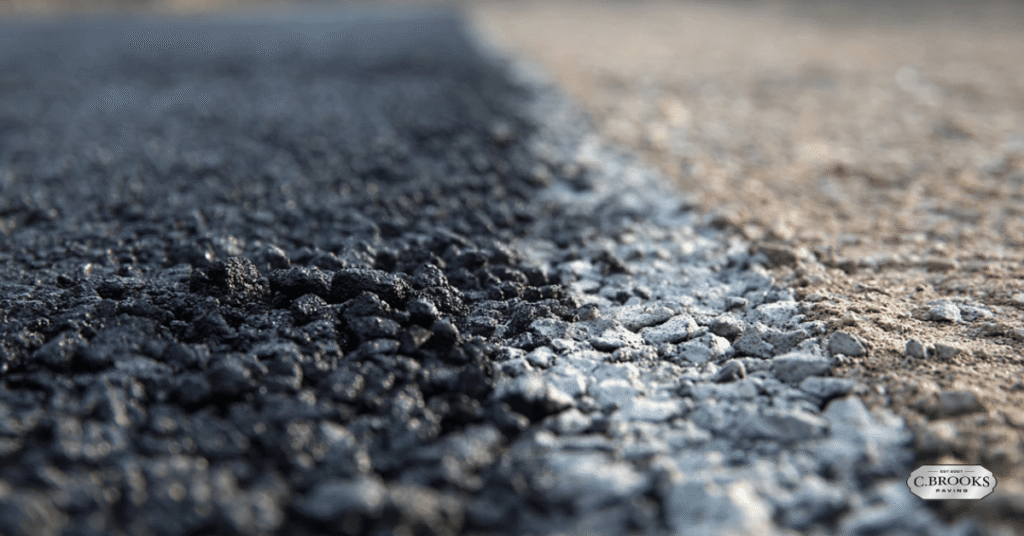
Aggregates make up the bulk of any asphalt mix, typically accounting for 90 to 95 percent of the total volume. These aren’t just random rocks thrown together but carefully selected and graded materials that create a strong pavement structure.
Common aggregate types include:
- Crushed stone that provides angular particles for better interlocking
- Natural gravel that adds stability and strength to the asphalt mixture
- Fine sand that fills voids between larger particles
- Mineral filler that improves density and reduces air pockets in the mastic
The size gradation matters tremendously for pavement performance. A well-designed asphalt concrete mixture includes a range of particle sizes, from large stones down to fine dust, ensuring the finished pavement has minimal air voids while maintaining the strength needed to support traffic loads.
Asphalt Binder
The asphalt binder acts like glue, coating each aggregate particle and binding them into a cohesive mass. Making up just 5 to 10 percent of the asphalt mix by weight, this petroleum product plays an outsized role in pavement design and performance.
Engineers classify binders using performance grade specifications, which indicate how they’ll behave at different temperatures. In the Texas climate, where summer heat can be intense, selecting the appropriate asphalt cement binder prevents rutting and premature aging of the asphalt pavement.
Additives and Modifiers
Modern asphalt concrete mixing processes often include additional materials added to asphalt that improve performance characteristics. Polymer modifiers make the binder more elastic, helping pavements resist both high-temperature rutting and low-temperature cracking.
Performance-enhancing additions include:
- Recycled asphalt pavement (RAP) and recycled asphalt shingles that reduce costs and environmental impact
- Warm mix additives that lower the asphalt temperature during production
- Anti-stripping agents that ensure asphalt binder stays bonded to aggregate and asphalt particles
- Fibers that add tensile strength to the finished pavement structure
Different Types of Asphalt Concrete Mixes
Hot Mix Asphalt
Hot mix asphalt, or HMA, is the most commonly used type of asphalt for road construction and parking lot paving. Production requires heating and drying the aggregate and asphalt binder to temperatures between 275 and 325 degrees Fahrenheit, making the asphalt cement dispersed and fluid enough to thoroughly coat all particles.
C. Brooks Paving uses HMA for most asphalt paving projects in Bulverde because it delivers superior durability and long-term performance. The high asphalt temperature means HMA must be placed and compact while still hot, demanding careful logistics and experienced crews for proper installation.
Warm Mix Asphalt
Warm mix asphalt (WMA) technology represents recent developments in asphalt, allowing production at temperatures 50 to 100 degrees lower than conventional asphalt. Chemical additives or foaming techniques reduce the viscosity of asphalt at lower temperatures while maintaining workability.
Key benefits of WMA:
- Lower temperature of the mix reduces fuel consumption during production
- Fewer emissions during manufacturing and placement
- Extended paving season in cooler weather conditions
- Improved working conditions for paving crews during installation
Cold Mix Asphalt
Cold mix asphalt serves a different purpose entirely. Made with liquid asphalt, emulsified asphalt, or asphalt emulsion that remains workable at ambient temperatures, it’s primarily used for pothole repair and temporary fixes.
You’ll often see road crews using cold mix for emergency repair on Bulverde streets during winter months when hot mix asphalt production is impractical. While convenient, it’s less durable than HMA for permanent pave applications.
Specialized Asphalt Technology
Modern asphalt technology has produced specialized types of asphalt concrete for specific applications. Stone mastic asphalt (also called stone matrix asphalt) uses a gap-graded aggregate structure with high asphalt content and stabilizing additives. Porous asphalt features an open-graded design that allows water drainage through the pavement surface, making it ideal for stormwater management.
Dense graded asphalt technology remains the most commonly used form of asphalt for general paving needs, while open graded asphalt technology and gap graded asphalt technology serve specific performance requirements.
Performance Factors of Asphalt Concrete
Durability and Longevity
A properly constructed asphalt concrete pavement should last 15 to 25 years with appropriate maintenance, repair, and cleaning. Traffic loads, climate conditions, and base preparation all affect pavement performance significantly.
The intense summer heat in South Texas accelerates aging, making UV exposure and oxidation major concerns. Heavy traffic loads can cause the asphalt to compact and deform if the asphalt mixture design isn’t appropriate for the expected load.
Resistance to Distress
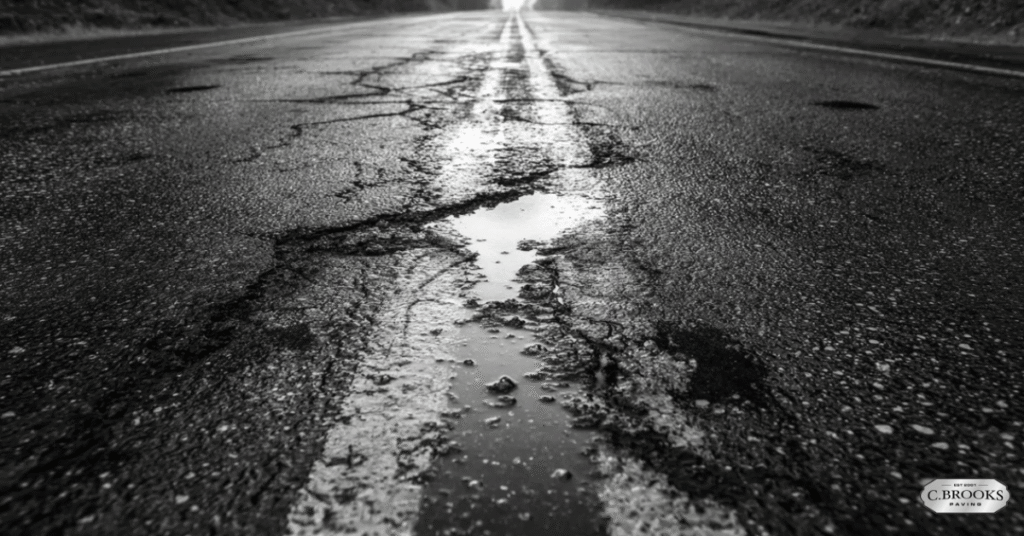
Asphalt pavements face several types of deterioration over time. Fatigue cracking develops from repeated loading, appearing as interconnected crack patterns that resemble alligator skin.
Common pavement distresses include:
- Thermal cracking from temperature-related expansion and contraction in the pavement structure
- Rutting when asphalt concrete deforms under heavy traffic loads
- Raveling as surface aggregate particles become dislodged from the mastic
- Potholes from water infiltration and freeze-thaw cycles that damage the pavement
Regular crack repair and maintenance address these issues before they spread. C. Brooks Paving recommends addressing cracks promptly because water infiltration through even small openings accelerates pavement failure substantially.
Skid Resistance and Safety
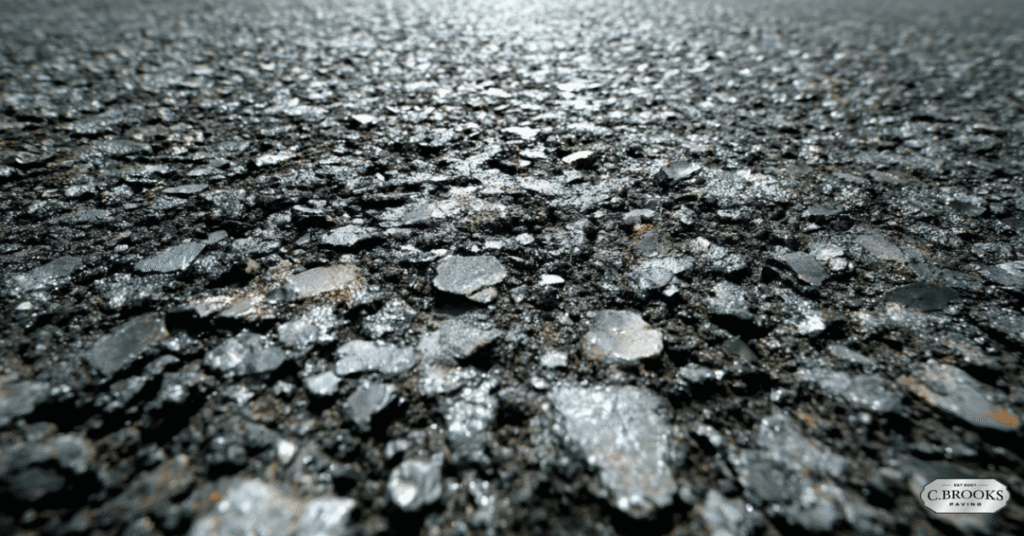
Surface texture provides the friction needed for vehicle tires to maintain traction on the concrete surface. Aggregate quality directly impacts skid resistance, with polished particles becoming slippery when wet.
The asphalt mixture design must balance smoothness for ride quality with enough texture for safety. Angular, rough aggregate and asphalt combinations maintain grip even in rain, which is critical for parking lot paving and road construction projects.
Maintenance to Extend Pavement Life
Proactive maintenance, cleaning, and repair dramatically extend asphalt pavement life and protect your investment. Sealcoating creates a protective barrier against UV rays, water penetration, and petroleum spills that can deteriorate the pavement surface.
Essential maintenance practices include:
- Applying sealcoating services every two to three years to protect asphalt products
- Filling cracks before they widen and allow water infiltration
- Patching potholes promptly to prevent damage to the pavement structure
- Maintaining proper drainage to keep water from undermining the pavement
- Regular cleaning of surfaces to prevent chemical damage to the asphalt concrete
When properly maintained with regular repair, cleaning, and installation of new asphalt when needed, pavements in Bulverde and throughout the Hill Country deliver decades of reliable service. C. Brooks Paving offers comprehensive maintenance programs that include sealcoating, crack repair, and pothole patching to keep your pavement in top condition.
Working with Professional Paving Contractors
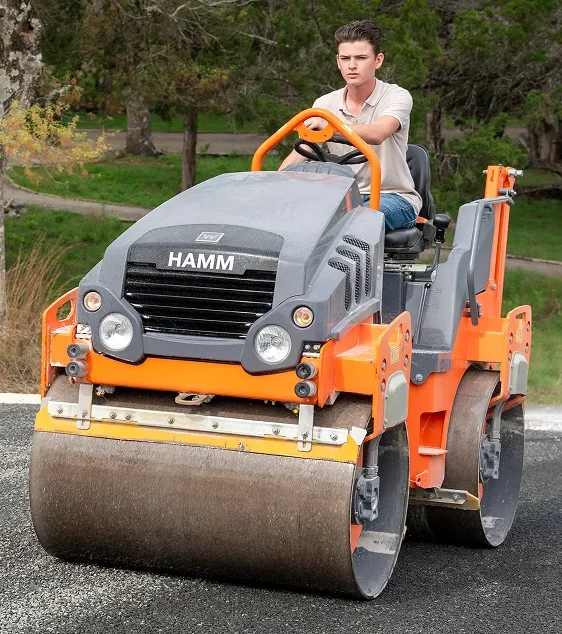
Quality asphalt concrete starts with proper asphalt mixture design following engineering and construction standards, but installation technique matters just as much. Base preparation, proper compaction methods to compact the material thoroughly, and attention to drainage separate professional work from substandard results.
Four generations of experience have taught C. Brooks Paving that shortcuts during installation lead to premature failure and costly repairs. Whether you need chip seal paving for a rural road, tar and chip seal for a long driveway, or traditional hot mix asphalt for a commercial parking lot, understanding these fundamentals about different types of asphalt and concrete mixes helps you make informed decisions.
For asphalt paving projects in Bulverde TX, the Hill Country, or anywhere in South Texas, C. Brooks Paving brings the expertise needed to deliver quality results. From initial base preparation through final compaction and ongoing maintenance, repair, cleaning, and installation, we handle every aspect of asphalt concrete construction with the precision our family name has stood for across four generations.