



Choosing the right material for your driveway ‘Asphalt Millings vs Gravel’ can feel overwhelming, especially when you’re trying to balance cost, durability, and appearance. If you’re a homeowner in Bulverde TX or the Hill Country region, you’ve probably considered both asphalt millings and gravel as cost-effective alternatives to traditional asphalt paving. Both paving materials offer unique advantages, but which one is the best driveway material for your property?
At C. Brooks Paving, we’ve spent four generations helping South Texas homeowners make smart decisions about their driveways. Let’s break down the key differences between asphalt millings and gravel so you can choose the best option with confidence.
What Are Asphalt Millings?
Asphalt millings are made from recycled asphalt pavement that’s been ground down into smaller pieces. When roads are repaved or resurfaced, the old asphalt gets removed and processed through an asphalt milling machine. The result is crushed asphalt that still contains tar and the asphalt binder from the original pavement.
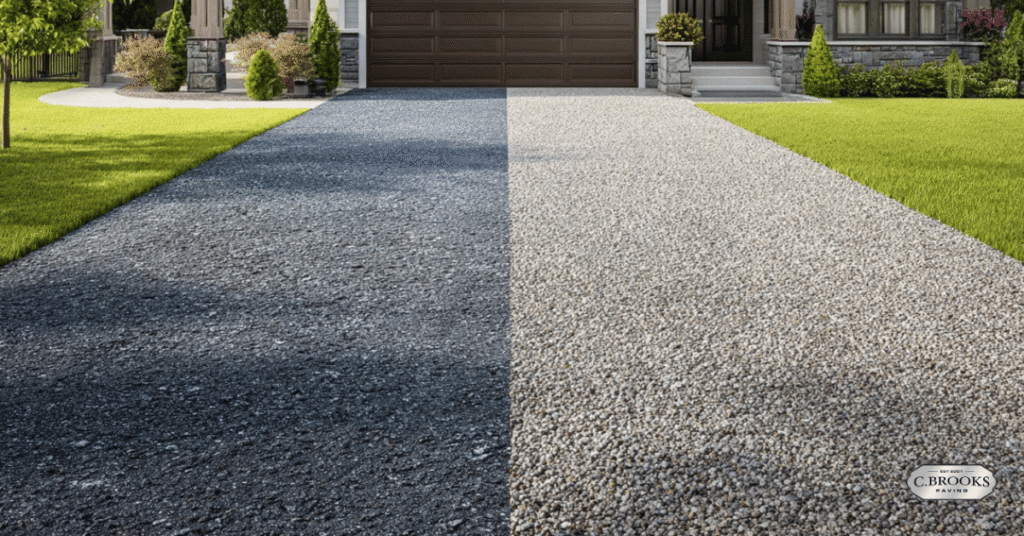
These millings look similar to loose gravel but have a darker, more uniform appearance. When properly installed and compacted, millings are recycled material that actually binds together over time, creating a semi-permanent surface with exceptional durability. The recycling aspect also makes them an eco-friendly choice for homeowners who care about sustainability.
Key benefits of recycled asphalt:
- Contains residual asphalt binder for natural bonding
- Environmentally friendly alternative to traditional materials
- Compacts tighter than loose material over time
- Cost-effective option for paving projects
What Is Traditional Gravel?
Traditional gravel refers to crushed stone aggregate that comes in various sizes and types. In the Hill Country, crushed limestone is one of the most common choices due to its local availability and natural drainage properties. Other popular options include crushed concrete, river rock, and pea gravel.
Unlike asphalt millings, gravel is a natural material that doesn’t bind together naturally. It remains loose, which gives gravel driveways excellent drainage characteristics but also means it tends to shift and migrate over time.
Common gravel types:
- Crushed limestone for natural Hill Country look
- Crushed concrete as recycled material option
- River rock for rustic appearance
- Pea gravel for decorative applications
Cost Comparison: Asphalt Millings vs Gravel
Budget is usually the deciding factor for most homeowners, and both materials are significantly cheaper than new asphalt paving in Bulverde. While gravel may seem cheaper initially, asphalt millings often win out over time. Once compacted, millings require minimal maintenance, cleaning, and repair compared to gravel, which needs regular raking and fresh material every few years.
Asphalt Millings:
- Material cost: $8-15 per ton
- Covers approximately 100 square feet per ton at 2-inch depth
- Installation requires proper grading and compaction
- Lower long-term maintenance costs
Traditional Gravel:
- Material cost: $10-20 per ton depending on type
- Similar coverage area per ton
- Requires base preparation and periodic replenishment
- Higher ongoing maintenance investment
Durability and Performance in South Texas Climate
The intense heat of South Texas summers affects both paving materials differently. Asphalt millings actually benefit from hot weather because the asphalt binder softens slightly and helps the material compact even tighter. This creates a harder, more stable driveway surface over the first year after installation.
Gravel doesn’t change much with temperature, but gravel may face challenges in our climate. Heavy rains can wash gravel away or create ruts, vehicle traffic causes gravel to spread and thin out, and weeds grow more easily through loose gravel.
C. Brooks Paving has installed both materials across the Hill Country, and we’ve seen reclaimed asphalt consistently outlast gravel in high-traffic residential driveway applications. A properly installed asphalt driveway using millings can last 7-10 years or more, while a gravel driveway typically needs significant attention every 2-3 years.
Maintenance Requirements: Cleaning, Repair, and Installation
Let’s be honest about upkeep because this is where many homeowners get surprised. Gravel driveways demand regular attention. You’ll need to rake out ruts, add fresh material to thin spots, and deal with weeds pushing through the surface. Snow removal can also displace gravel, requiring periodic regrading.
Asphalt millings are far more low-maintenance. After the initial compaction period (usually 6-12 months), millings create a surface that requires little more than occasional cleaning and sweeping. Any minor repair is straightforward since you can simply add more material and compact it down.
Maintenance comparison:
- Millings: Minimal cleaning after first year, rare repair needs
- Gravel: Regular raking, frequent material replenishment
- Millings: Tight compaction prevents weed growth
- Gravel: Requires fabric barrier to minimize weeds
Installation Process and Professional Results
Both materials require proper site preparation, but the installation processes differ considerably. Unlike fresh asphalt, which requires hot asphalt application, millings offer a simpler paving project approach. However, the choice between asphalt millings and gravel depends heavily on proper installation technique.
Asphalt millings installation includes:
- Removing existing asphalt and debris
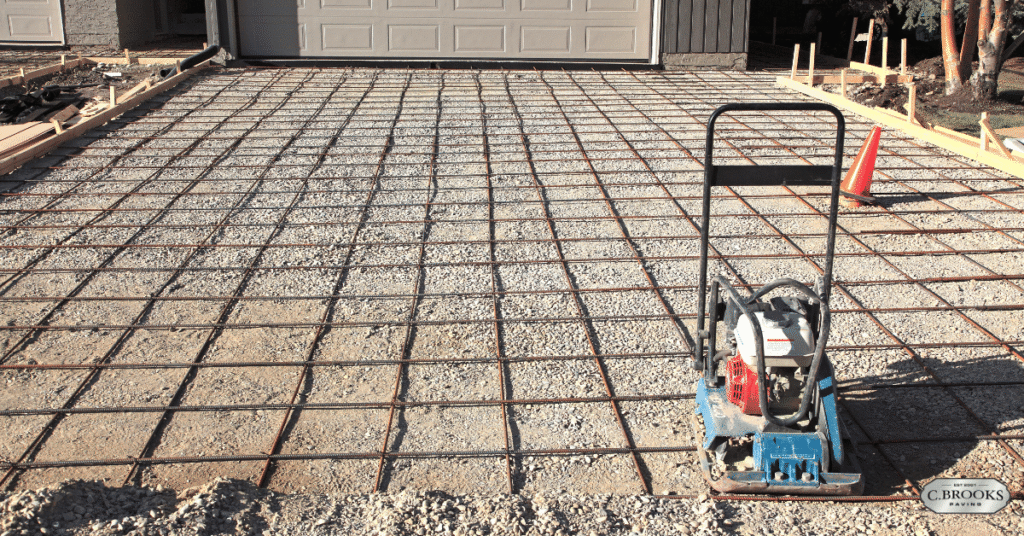
- Creating proper base preparation and grading
- Spreading millings to recommended 3-4 inch depth
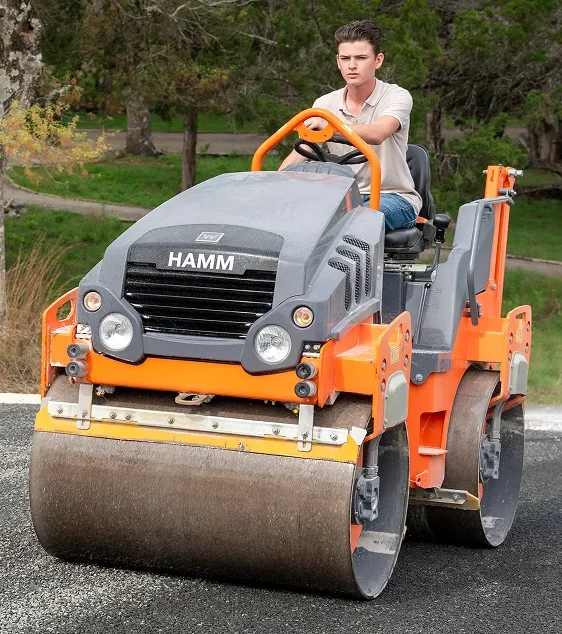
- Multiple passes with a heavy roller for compaction
- Watering during compaction for better binding
The compaction step is critical with millings. Without proper equipment and technique, you won’t get the hard, stable surface that makes this material worthwhile. This is where working with expert asphalt professionals like C. Brooks Paving makes all the difference.
Pros and Cons of Asphalt Millings vs Gravel
Understanding the pros and cons helps clarify which asphalt is the right choice for your new driveway. Asphalt millings provide exceptional value for homeowners seeking a balance of cost savings and performance. The cons of asphalt millings include a less natural appearance compared to gravel and the need for professional installation equipment.
Gravel also offers benefits, particularly for drainage and rustic curb appeal. However, gravel driveways provide less stability and require more frequent maintenance. The differences between asphalt millings and gravel become most apparent after the first year of use.
Quick comparison:
- Durability: Millings outlast gravel significantly
- Drainage: Gravel excels, millings adequate after compaction
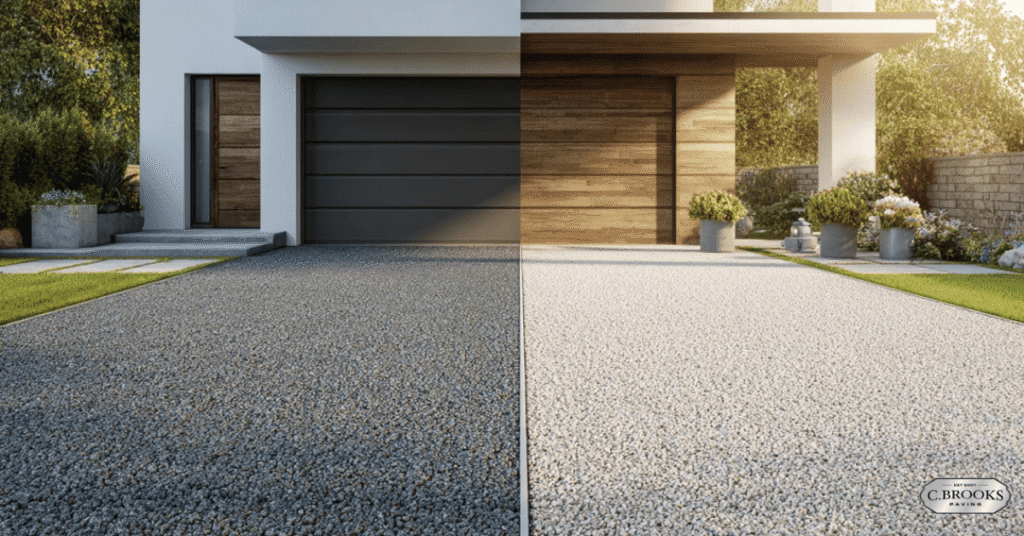
- Appearance: Gravel offers natural look, millings resemble pavement
- Eco-friendly: Both recycle existing materials effectively
Which Material Works Best for Your Property?
Your specific situation should guide your decision. Consider asphalt millings if you have a high-traffic residential driveway, want a more finished appearance, or plan to eventually resurface with traditional asphalt paving. The millings actually make an excellent base layer for future asphalt paving projects.
Gravel makes more sense for very long rural driveways where the natural look matters, secondary access roads with minimal traffic, or temporary solutions. It’s also ideal if you need maximum drainage or prefer handling maintenance yourself.
Location matters too. In Bulverde and the surrounding Hill Country, both materials work well, but our rocky soil conditions often favor the compacting properties of recycled asphalt pavement. The material bonds especially well in our climate, creating a surface that holds up to Texas weather extremes.
Making Your Final Decision: One Is the Best for You
Think about how you actually use your driveway. If you park multiple vehicles, have regular deliveries, or experience heavy traffic, choosing asphalt millings will serve you better. The investment in proper installation pays off quickly through reduced maintenance and better durability.
Your driveway may need different characteristics depending on usage. For properties where appearance and drainage matter more than a rock-hard surface, gravel remains a solid choice. Just budget for ongoing maintenance and occasional material replacement.
Get Professional Guidance from C. Brooks Paving
Choosing between asphalt millings or gravel doesn’t have to be complicated. With four generations of experience serving Bulverde TX, the Hill Country, and South Texas, C. Brooks Paving can assess your property and recommend the best material for your home based on your needs and budget.
We handle everything from chip seal paving in Bulverde to complete road construction. Whether you choose millings, gravel vs traditional options, or decide to invest in new asphalt, our team ensures quality installation that lasts.
Contact C. Brooks Paving today for a consultation. We’ll walk your property, discuss your goals, and provide honest recommendations backed by decades of paving experience in South Texas. From sealcoating services to crack repair in Bulverde, we’re your trusted partner for all things paving.