Skip to content





For many homeowners and business owners, paving a driveway or parking lot is one of the bigger property improvement projects. One of the first questions that comes up is simple: is asphalt cheaper than concrete? Both asphalt and concrete driveway options are common across Bulverde, the Hill Country, and South Texas. Each has unique strengths, costs, and long-term considerations.
Asphalt is often seen as the more budget-friendly driveway material, but concrete has its own advantages in terms of durability and design flexibility. To fully understand driveway cost, you need to look beyond the initial price and consider installation, repair, cleaning, climate conditions, and long-term maintenance. This guide explains the difference between asphalt and concrete so you can choose the right type of driveway for your property.
Asphalt vs Concrete: The Basics
Before reviewing driveway cost, it’s important to understand what makes each material unique.
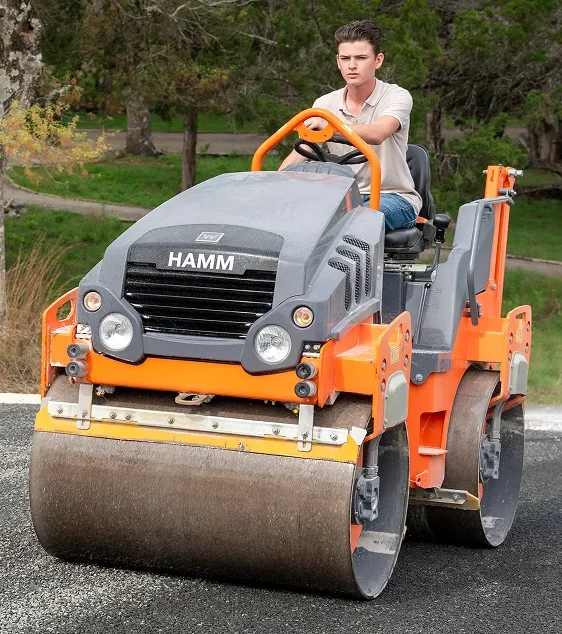
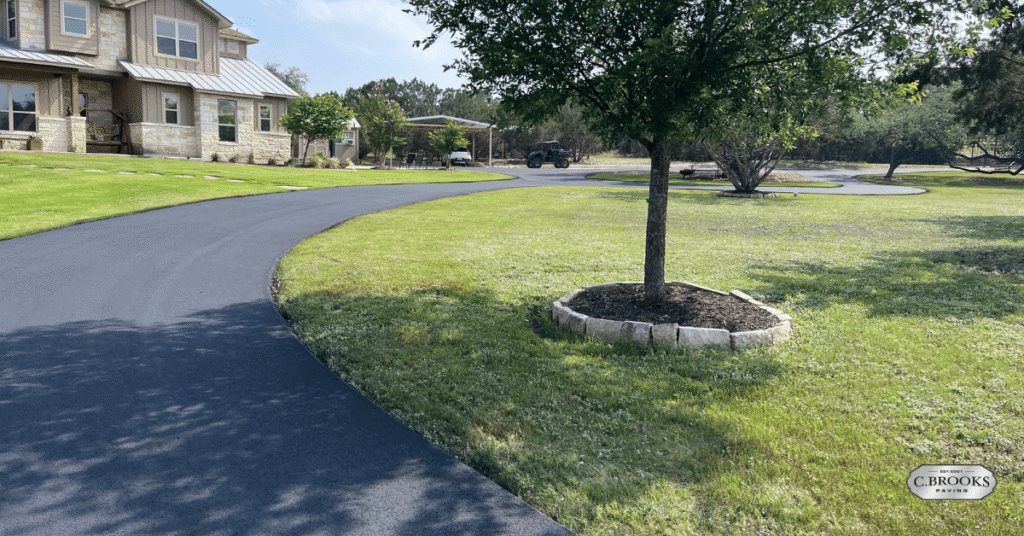
Asphalt paving is made from a mixture of gravel, sand, and stone bound with bitumen. The result is a smooth black surface commonly used for driveways, asphalt pavement, and parking lots. Asphalt is typically cheaper than concrete and is easier to repair or resurface.
Concrete paving uses a mixture of cement, water, sand, and gravel. A concrete driveway is made to last longer than asphalt and can be finished with textures, colors, or a stamped concrete driveway design. Concrete also works well for patios, sidewalks, and decorative areas.
At a glance:
- Asphalt driveway: Lower initial cost, quick driveway installation, easier repair.
- Concrete driveway: Higher initial cost, concrete lasts longer, more decorative options.
Upfront Driveway Installation Cost
The main reason property owners compare asphalt vs concrete is the initial cost.
- Asphalt driveway costs: About $4–$8 per square foot. A new asphalt driveway is an affordable option, especially for larger parking lots or rural driveways.
- Concrete driveway cost: About $6–$12 per square foot. Decorative finishes can raise the concrete driveway cost to $15–$18 per square foot.
Why asphalt is cheaper to install:
- The cost of asphalt materials is lower than cement concrete.
- Asphalt paving takes less labor and less time to install than concrete.
- Crews can pave and finish a new driveway in one or two days.
Overall, asphalt is easier and tends to be cheaper for installation compared to concrete.
Long-Term Driveway Maintenance Costs
Initial cost is not the only factor in overall cost. Cleaning and repair also matter when choosing a driveway material.
- Sealcoating is needed every 2–3 years.
- Driveway repair is simple; cracks and potholes are easy to fix using asphalt patching.
- Repairs blend well with existing asphalt pavement.
Concrete maintenance:
- Concrete driveways are more durable than asphalt and need less frequent cleaning.
- However, repairs are expensive compared to asphalt. Large slabs of concrete are harder to replace.
- Driveway repair may leave visible marks on concrete.
In short: asphalt = frequent but affordable repairs. Concrete = fewer repairs but more expensive when needed.
Lifespan and Durability in Different Climates
Climate plays a major role in the difference between asphalt and concrete.
- Asphalt lifespan: 15–25 years with proper care. Asphalt may soften in warmer climates but can be protected with sealcoating.
- Concrete lifespan: 25–40 years. Concrete driveways offer durability but may crack in colder climates or shifting soil.
South Texas conditions:
- Asphalt may wear faster in hot summers, but regular repair helps.
- Concrete may crack in rocky Hill Country soils, though it lasts longer than asphalt in stable areas.
Cost Comparison of Asphalt vs Concrete
Here’s a clear cost comparison for property owners:
- Initial cost: Asphalt driveway is typically cheaper than concrete.
- Installation cost: Asphalt is faster and easier to install than concrete.
- Driveway repair: Asphalt is easier and cheaper to repair; concrete may be expensive.
- Lifespan: Concrete driveways are more durable than asphalt, but asphalt driveway costs less upfront.
- Overall cost: Asphalt is usually the better option than concrete for budget-friendly projects, whereas concrete may cost more upfront but lasts longer than asphalt.
Beyond Cost: Other Driveway Considerations
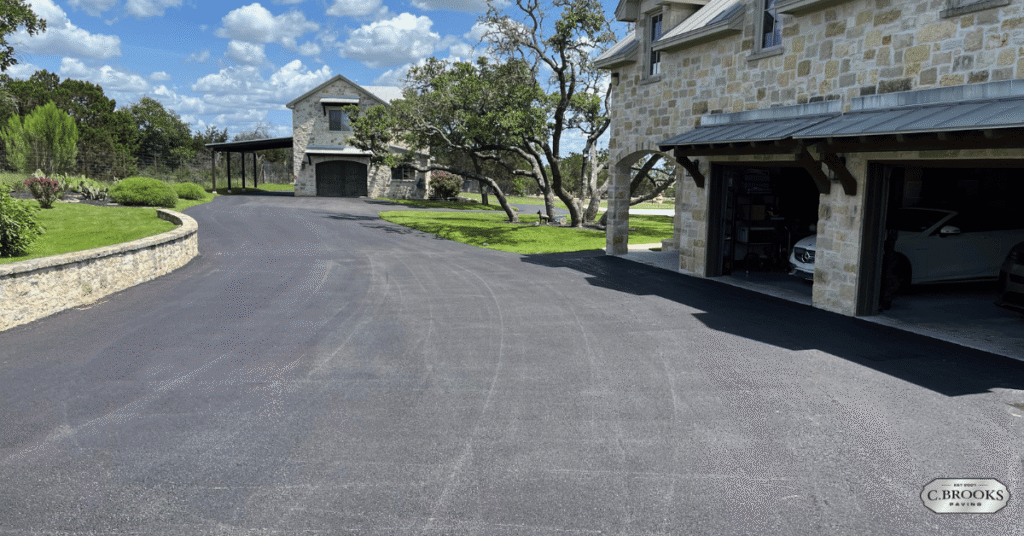
- Curb appeal: Asphalt has a clean black finish, while concrete offers decorative stamped options.
- Driveway installation time: Asphalt is usually ready in 48 hours; concrete takes at least 7 days to cure.
- Environmental impact: Using asphalt is more common in recycling, while concrete also can be recycled but requires more energy.
- Driveway material options: Gravel driveways and paver driveways are also available. Gravel is cheaper than asphalt or concrete, while pavers are more expensive but easier to repair.
When Asphalt May Be the Better Choice
Choose asphalt if you:
- Need a new driveway installed quickly.
- Want an option that is cheaper than concrete.
- Are okay with regular cleaning and sealcoating.
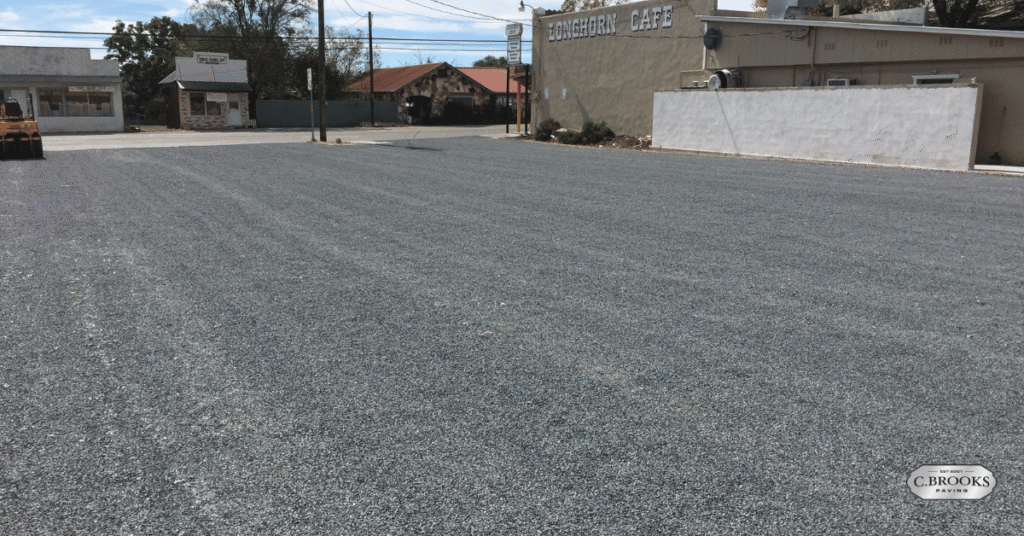
- Need a large surface such as parking lots or long driveways.
When Concrete May Be the Better Choice
Concrete may be the right option if you:
- Want a decorative or stamped concrete driveway.
- Need a driveway that is more durable than asphalt.
- Don’t mind paying a higher initial cost of concrete.
- Prefer fewer repairs and longer life of the driveway.
Conclusion
Yes, asphalt is cheaper than concrete upfront. Asphalt driveway is typically the lower-cost choice, especially for new driveway projects and large parking lots. While asphalt driveways aren’t as durable as concrete, asphalt is easier to repair and install than concrete. Concrete driveways are more durable and may last longer than asphalt, but they are more expensive than concrete alternatives in terms of installation cost.
Your final decision depends on budget, climate, and whether asphalt or concrete fits your property’s long-term goals. Both driveway materials have strengths: asphalt is cheaper and faster, while concrete may be worth it for long-term durability.