



If you live in the Texas Hill Country, you know your ranch driveway takes a beating from scorching heat, sudden downpours, and heavy trucks. Ranch owners need a surface that is tough, affordable, and built to last.
Two of the most common options across South Texas are tar and chip seal and gravel driveways. Both are popular for rural properties, but they differ in cost, appearance, and maintenance needs.
In this guide, we compare these two materials in detail so you can choose the best driveway surface for your ranch. As a trusted paving contractor in Bulverde TX and across the Hill Country, C. Brooks Paving has installed both types of driveways for decades, and we know what performs best in Texas conditions.
What Is Tar and Chip Seal Paving?
Tar and chip seal, sometimes called chip seal paving, combines hot liquid asphalt (tar) with layers of crushed stone chips. Once spread and compacted, the result is a firm, textured surface that offers excellent traction and long-term durability.
It is often referred to as the “country cousin” of asphalt because it delivers a similar driving experience at a lower price point. For long ranch driveways or private roads, tar and chip seal provides an ideal mix of strength, style, and low maintenance.
Key benefits include:
- Excellent traction, even when wet
- Rustic appearance that blends with ranch settings
- Lower cost than traditional asphalt
- Minimal dust or loose stone once cured
What Is a Gravel Driveway?
A gravel driveway is constructed by layering and compacting crushed rock over a stable base. It is simple, inexpensive, and widely used on rural properties.
Because it does not require heating or specialized machinery, gravel is often a budget-friendly or do-it-yourself choice. However, it demands consistent maintenance, especially in areas like South Texas where rain can easily wash away the top layer.
Key benefits include:
- Very low initial cost
- Quick installation process
- Natural drainage properties
- Easy to repair or expand
Tar and Chip vs. Gravel: Detailed Comparison
Below is a breakdown of how these two materials perform in real-world ranch conditions.
1. Installation Process
Tar and Chip Seal:
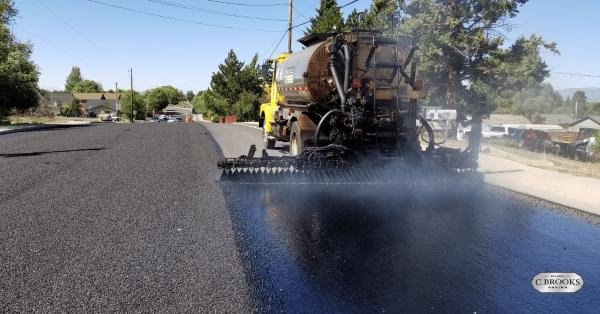
The process begins with grading and compacting the driveway base. Then, hot asphalt is sprayed evenly across the surface, followed by layers of crushed stone that are rolled to create a bonded finish. This requires professional equipment and precise timing to achieve lasting results.
At C. Brooks Paving, our chip seal projects use calibrated machinery that ensures even coverage and proper temperature control, delivering a driveway that can handle years of traffic and weather.
Gravel:
Gravel installation is straightforward: spread, grade, and compact. However, it’s prone to ruts and washouts if not properly maintained or if heavy vehicles use it regularly.
Verdict: Tar and chip requires a professional crew but results in a more durable, stable, and polished surface.
2. Cost Comparison
Gravel:
The initial cost of gravel is usually around $1 to $2 per square foot, making it one of the most affordable materials for long ranch roads.
Tar and Chip Seal:
This surface costs about $3 to $5 per square foot—more than gravel but significantly less than asphalt paving, which can exceed $8 per square foot.
Verdict:
Gravel wins for upfront affordability, but tar and chip’s longer lifespan often provides better long-term value.
3. Durability and Lifespan
Driveways in Texas face intense sun, rain, and shifting soil, so durability matters.
Tar and Chip Seal:
A well-installed chip seal driveway typically lasts 7–10 years or more, depending on usage. The bonded surface resists rutting and potholes, even under truck or trailer traffic.
Gravel:
Gravel driveways can begin to show wear within a year or two. Heavy traffic and rainfall require frequent regrading and additional stone to maintain a smooth surface.
Verdict:
Tar and chip lasts longer and needs fewer repairs, making it ideal for high-traffic ranch properties.
4. Maintenance Requirements
Tar and Chip Seal:
This surface is nearly maintenance-free. A reseal every 7–10 years can extend its lifespan dramatically.
Gravel:
Gravel requires regular maintenance, such as filling low spots, grading, controlling weeds, and replacing displaced stones.
| Driveway Type | Maintenance Frequency | Common Tasks |
| Tar and Chip Seal | Every 7–10 years | Light reseal or surface top-off |
| Gravel | 1–2 times per year | Regrading, refilling, weed removal |
Verdict:
For property owners seeking minimal upkeep, tar and chip seal is the clear winner.
5. Traction and Weather Performance
Tar and Chip Seal:
Its stone surface provides excellent traction during both wet and dry conditions. It also performs well on slopes, which is ideal for ranches in the Hill Country’s uneven terrain.
Gravel:
While it drains well, gravel can shift and scatter during heavy rainfall, leading to uneven surfaces or washouts. In dry months, it can generate dust that affects nearby homes and vegetation.
Verdict:
Tar and chip seal offers better all-weather performance and safety, particularly for vehicles towing livestock trailers or equipment.
6. Aesthetic Appeal and Property Value
Tar and Chip Seal:
Offers a finished, rustic look that complements ranch and countryside properties. You can also select from various stone colors to match your home or landscape.
Gravel:
While traditional, gravel can appear unfinished or uneven over time. Frequent maintenance is needed to keep it looking neat.
Verdict:
If visual appeal and resale value matter, tar and chip provides a professional appearance that enhances property value.
Environmental and Practical Considerations
Both options are environmentally friendly in different ways.
Tar and Chip:
Uses less petroleum than asphalt and incorporates natural stone, creating a semi-permeable surface that reduces dust and erosion.
Gravel:
Fully permeable and natural, but displaced gravel can cause drainage issues or spread into surrounding areas.
Verdict:
Both materials are sustainable, but tar and chip seal provides better control over erosion and long-term surface stability.
When to Choose Each Option
| Choose Tar & Chip If: | Choose Gravel If: |
| You need a long-lasting, low-maintenance driveway | You have a limited budget |
| You operate heavier vehicles or equipment | You need a temporary or seasonal surface |
| You want a clean, finished appearance | You’re comfortable with routine maintenance |
| You want to increase property value | You plan to upgrade later to asphalt |
For example, many ranch owners in Bulverde and the Hill Country prefer chip seal because it performs exceptionally well on sloped terrain and under heavy use.
Why Work with C. Brooks Paving
For four generations, C. Brooks Paving has been the name Texans trust for asphalt paving, tar and chip seal, and ranch driveway construction.
From pothole repair in Bulverde to chip seal paving throughout South Texas, our team delivers precise workmanship and reliable results. Every project, whether residential or commercial, receives our full commitment to quality and longevity.
Our core services include:
- Tar and chip seal paving for ranch and country roads
- Asphalt driveway and parking lot paving
- Sealcoating and crack repair
- Road construction and pothole repair
Contact C. Brooks Paving today to schedule a free consultation or on-site estimate for your next project in Bulverde TX, the Hill Country, or anywhere in South Texas.
Conclusion
Both tar and chip seal and gravel driveways can serve ranch owners well, depending on budget and long-term goals. Gravel is inexpensive and quick to install, but it requires frequent upkeep. Tar and chip seal costs more initially but provides a smoother, stronger surface that lasts for years with little maintenance.
For Texas ranchers who want a reliable, low-dust driveway that looks great and performs under tough conditions, tar and chip seal paving from C. Brooks Paving is an excellent choice.