Skip to content





Asphalt paving services include site evaluation, grading and excavation, base and drainage installation, laying and compacting the asphalt layers, finishing, and ongoing maintenance like sealcoating and crack repair. A full-service contractor handles every step, from the first inspection to the final cleanup, so your driveway or parking lot is built to last.
Most property owners only see the final smooth surface. Behind that surface is a multi-step process that decides how long your pavement holds up. Here’s what you need to know about what professional asphalt paving services actually cover, what each step does, and what you should expect to pay.
Key Takeaways
- Asphalt paving services cover the full process: consultation, site prep, installation, finishing, and maintenance.
- Site preparation includes grading, excavation, base installation, and drainage planning.
- Installation involves laying binder and surface layers, then compacting while the asphalt is still hot.
- Maintenance services like sealcoating and crack filling extend pavement life and lower long-term costs.
- Asphalt paving in 2025 typically runs $5 to $15 per square foot, including materials and labor.
What Does a Full Asphalt Paving Service Include?
A full asphalt paving service covers everything from the initial site visit to long-term upkeep. It is not just laying down a layer of asphalt. A complete service handles inspection, preparation, installation, and the maintenance that keeps your surface performing for years.
Site evaluation and consultation
Every quality project starts with a site evaluation. A contractor inspects the area, checks the soil and slope, measures the space, and identifies drainage needs. This step shapes the entire plan and helps avoid costly mistakes later.
According to industry guidance, a full-service paving company handles every stage, from consultation and site evaluation through installation and aftercare. This is what separates a reliable contractor from a quick patch job.
The core services list
Most professional paving services include:
- Site preparation – grading, excavation, and base work
- Drainage solutions – keeping water off and away from the surface
- Asphalt installation – binder and surface layers
- Compaction and finishing – rolling and edge work
- Maintenance – sealcoating, crack filling, and repairs
If you want a deeper look at the local process, our complete guide to asphalt paving in South Texas breaks down each step for our region.

What Happens During Site Preparation?
Site preparation is the foundation of any paving project, and it directly decides how long your asphalt lasts. Skipping or rushing this step leads to cracking, sinking, and water damage down the road. Good prep means a stable, level base that supports the asphalt above it.
Grading and excavation
Grading and excavation shape the ground so the surface drains properly and sits level. The contractor removes old material, levels the soil, and sets the correct slope. A proper slope keeps water moving off the pavement instead of pooling on it.
This work needs the right equipment and experience. Our site grading and excavation services handle leveling, drainage planning, and full site prep for new builds across the region.
Base and drainage installation
After grading, a crushed aggregate base is installed and compacted. This base course carries the weight of traffic and gives the asphalt a stable surface to bond to. Drainage features are added at this stage to direct water away from the pavement.
Proper drainage matters because water is asphalt’s biggest enemy. When water gets under the surface, it weakens the base and causes potholes. Good site prep, including grading and base work, is included in standard installed pricing for most professional jobs.
How Is the Asphalt Actually Installed?
Asphalt installation involves laying hot asphalt in layers and compacting it before it cools. The process is fast and precise because asphalt has to be worked at the right temperature. Done correctly, it produces a smooth, durable surface that holds up to heavy use.
Binder and surface layers
Most projects use more than one layer. A binder layer goes down first, made of larger aggregate for strength. The top surface layer uses finer material for a smooth finish. Together these layers handle traffic loads and resist wear.
According to the National Asphalt Pavement Association, asphalt must be designed, produced, placed, and compacted correctly, or the surface becomes prone to rutting and shoving. The mix design and layering are not optional details. They decide whether your pavement performs.
Compaction and finishing
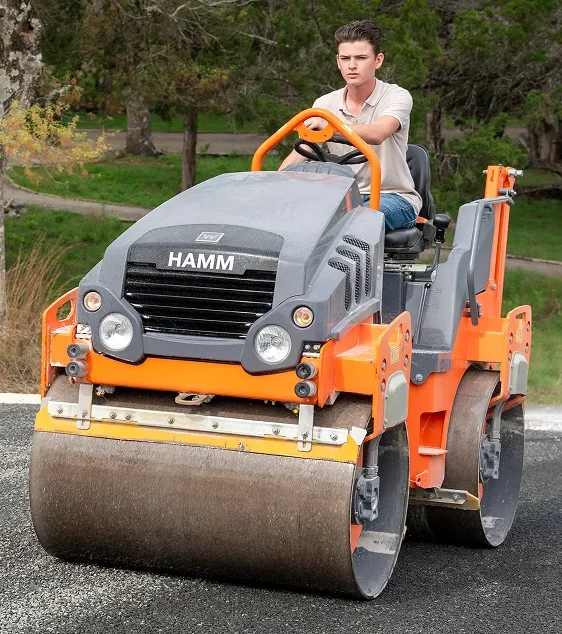
Once the asphalt is laid, rollers compact it quickly while it stays hot. Hot asphalt has to be applied and compacted fast at the proper temperature using pavers and rollers. Finishing work then handles edges, final grading, and surface smoothing for proper drainage and a clean look.
This is where skill shows. Compaction removes air pockets and locks the surface in place. Poor compaction leaves a weak surface that fails early.
What Maintenance Services Are Included?
Maintenance services keep your asphalt in good shape long after installation and are a core part of full paving service. The main maintenance offerings are sealcoating, crack filling, and pothole repair. Regular upkeep is far cheaper than replacing a failed surface.
Sealcoating
Sealcoating protects asphalt from water, sun, and chemical damage. A protective coat is applied over the surface to seal it and restore the dark finish. Sealing should be done every two to three years, and it usually costs about $1 to $2 per square foot.
Skipping sealcoating shortens pavement life. Our professional sealcoating service helps you stay on a maintenance schedule that protects your investment.
Crack filling and pothole repair
Small cracks and potholes are normal over time, and catching them early prevents bigger problems. Routine repairs like crack filling and pothole patching typically cost between $100 and $600 depending on severity. Fixing them early stops water from spreading the damage.
One shopping center owner we worked with faced this on a 50,000 square foot parking lot full of potholes. By investing in complete resurfacing with an improved drainage system, they eliminated all drainage issues, extended the surface life by over 15 years, and reduced annual maintenance costs by 40%. Knowing which fix to use is key, and our guide to asphalt repair techniques explains when to patch, seal, or resurface.

What Does Asphalt Paving Cost in 2025?
Asphalt paving in 2025 generally costs between $5 and $15 per square foot, including both materials and labor. A typical residential driveway runs around $3,500, though the final figure depends on size, site condition, and access. Installed pricing usually covers materials, labor, site preparation, and basic grading.
Several factors move the price:
- Size and shape of the area being paved
- Site condition and how much prep is needed
- Material type and asphalt mix grade
- Location and access for crews and equipment
Labor is a real part of the cost. General paving labor runs roughly $40 to $55 per hour, and urban rates can sit 20 to 40 percent above rural ones. Asphalt also needs resealing every few years, so budget for maintenance as part of the long-term cost.
How Do You Choose the Right Paving Contractor?
The right paving contractor offers a full range of services, uses quality materials, and has a proven track record. Look for a company that handles the whole project, from site evaluation through aftercare, rather than one that only lays the surface. Experience matters because seasoned crews handle the surprises that come up on real job sites.
Ask about these points before hiring:
- Do they include site prep, drainage, and finishing in the quote?
- What asphalt mix and base materials do they use?
- Do they offer maintenance like sealcoating and repair?
- Can they show past work and local references?
Choosing well also means choosing the right surface for your needs. Our guide on choosing the best driveway material helps you compare asphalt against other options so you make a confident decision.
Get Your South Texas Paving Project Started
Asphalt paving services cover far more than a single layer of blacktop. A complete service includes site evaluation, grading and drainage prep, layered installation with proper compaction, and the sealcoating and repairs that protect your investment for years. Knowing what’s included helps you compare quotes and avoid contractors who cut corners.
When every step is done right, your pavement stays smooth, durable, and cost-effective for the long term. Have questions about your specific project? Contact C. Brooks Paving for a free consultation and a clear, honest estimate.