Skip to content





Asphalt is one of the most common paving materials in the world, covering everything from highways and city streets to driveways and parking lots. At the heart of this durable surface lies liquid asphalt, a highly viscous liquid or semi-solid form of petroleum that serves as the binder holding aggregates together.
Wondering “What Is Liquid Asphalt”?
While many people are familiar with paved roads, fewer understand what liquid asphalt truly is, how it is produced, and why it remains essential to the asphalt industry.
At C. Brooks Paving, we have paved, repaired, and maintained roads across Bulverde, the Hill Country, and South Texas for generations. Our work with asphalt paving includes everything from chip seal roads to driveway installation and parking lot maintenance. This guide explores the origins, production, and modern applications of liquid asphalt.
What Is Liquid Asphalt?
Liquid asphalt, also called asphalt cement, is a black, sticky binder that comes from refining petroleum crude oil. It is used to pave and repair pavement by binding sand, gravel, and stone aggregate into a solid surface.
Key properties of liquid asphalt:
- Acts as a strong binder for aggregates
- Creates a waterproof surface that resists moisture
- Flexible enough to handle heavy traffic and temperature shifts
Without this binder, modern asphalt road construction and pavement installation would not exist.
Origins of Liquid Asphalt
Ancient Uses of Natural Asphalt
Natural asphalt has been used for thousands of years. Ancient civilizations, including the Babylonians and Egyptians, relied on it as a sealant and waterproofing agent. The ancient Egyptians used asphalt in burial practices, proving that asphalt has been used in construction long before modern refineries.
Industrial Refining and Modern Roads
With the rise of petroleum refining, heavy residues from crude oil were processed into liquid asphalt. This semi-solid form of petroleum, known as bitumen, was refined in special refineries called asphalt cement plants. Over time, it became the foundation of modern roads and runways.
Growth in Road Construction
The use of asphalt expanded across the U.S. during the early 20th century. Texas, in particular, depended on liquid asphalt to pave highways and rural roads. This form of petroleum made roads and highways more durable, efficient, and cost-effective.
How Does Liquid Asphalt Come From Crude Oil?
Liquid asphalt comes from the heavy fraction of petroleum crude oil after lighter fuels are removed. This viscous liquid is further processed into different types of asphalt products:
- Cutback Asphalt – mixed with solvents like kerosene or tar to make spreading easier.
- Emulsified Asphalt – asphalt mixed with water, used for chip seal asphalt construction.
- Straight Asphalt Cement – pure binder used in hot-mix asphalt.
Contractors select the right type of asphalt based on climate, road construction needs, and pavement repair conditions.
Key Uses of Liquid Asphalt
Road Construction and Highways
The primary use of asphalt is in road construction. It binds aggregate into asphalt concrete, making roads and highways stronger and more durable.
Parking Lots and Driveways
From business parking lots to residential driveways, liquid asphalt creates long-lasting surfaces. Whether for installation, sealing, or repair, asphalt provides reliability.
Chip Seal & Tar Applications
In rural regions, tar or oil mixed with stone chips forms chip seal roads. These used extensively in the Hill Country provide a cost-effective stretch of asphalt for rural traffic.
Pavement Cleaning, Repair, and Maintenance
Liquid asphalt is also essential in extending the life of asphalt surfaces:
- Sealcoating for protection
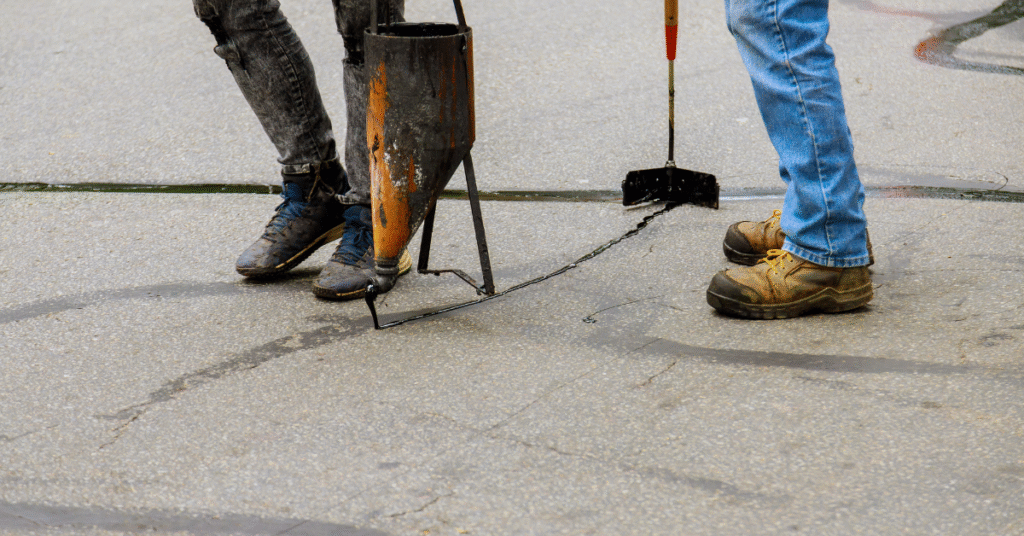
- Crack filling to stop water damage
- Pothole repair and patching
- Cleaning before resurfacing for better binding
Even reclaimed asphalt pavement (RAP) from old projects can be reused, reducing waste and costs.
Advantages and Properties of Asphalt
- Durability – withstands heavy traffic
- Waterproof – prevents water penetration
- Flexibility – adapts to seasonal changes
- Recyclable – allows used asphalt to be reprocessed
- Cost-effective – compared to alternatives
The properties of asphalt make it ideal for modern roads and runways, ensuring long-lasting performance.
Environmental Benefits of Asphalt
- Asphalt is one of the most recycled asphalt materials worldwide.
- Reclaimed asphalt pavement reduces the need for new raw asphalt mixtures.
- Recycling reduces environmental impact while delivering advanced asphalt like warm-mix asphalt for sustainable use.
Through the strategic highway research program, innovations like asphalt mixes continue to improve the future of asphalt paving.
Choosing the Right Asphalt Contractor
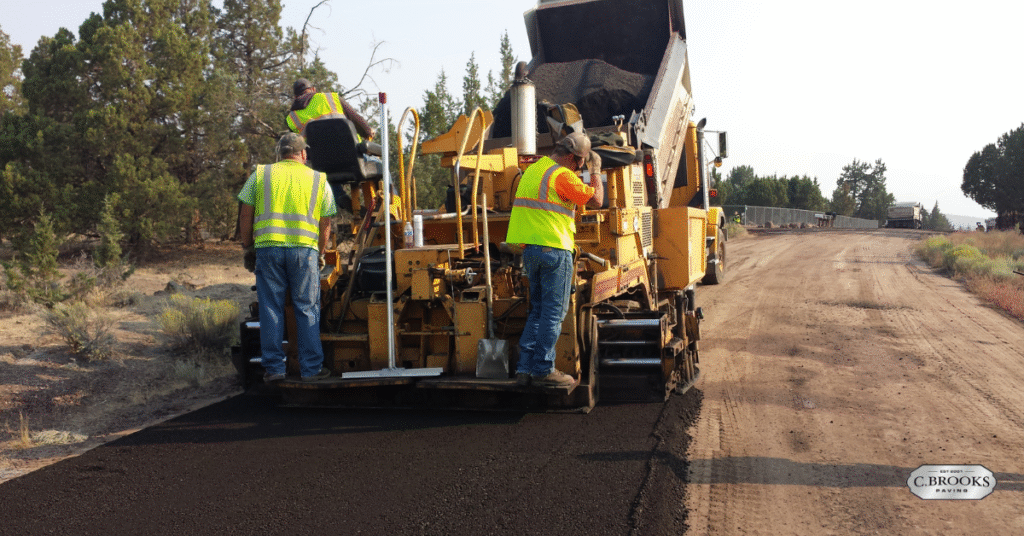
While liquid asphalt cement is vital, the results depend on skilled application. A reliable contractor ensures proper installation, repair, and cleaning to extend pavement life.
What to look for in a contractor:
- Experience with asphalt used today
- Knowledge of asphalt binding and asphalt mixtures
- Proven results in road construction, driveways, and parking lots
- Ability to handle both new asphalt construction and pavement repair
At C. Brooks Paving, we combine four generations of expertise with modern methods. Whether you need new asphalt installation, resurfacing, or routine maintenance, we ensure your roads are paved with asphalt that lasts.
Conclusion
From the earliest known uses of asphalt in natural bitumen deposits like the La Brea Tar Pits to modern roads and runways, asphalt has come a long way. Asphalt provides durability, safety, and sustainability for communities.
Today, asphalt also plays a key role in eco-friendly building as a natural petroleum product made to last. When used to pave highways, roads and runways, and parking lots, it ensures smoother travel and stronger infrastructure.
If you need asphalt paving, cleaning, repair, or installation, trust C. Brooks Paving to deliver dependable results.