Skip to content





When planning a sidewalk, selecting the right concrete mix is more than just a technical decision it’s what determines whether your walkway lasts for decades or begins to show signs of wear after just a few seasons. The type of concrete used affects not only durability and resistance but also how well it handles South Texas weather conditions and soil movement.
In Bulverde and the surrounding Hill Country, C. Brooks Paving has been trusted for four generations to install sidewalk slabs that are strong, safe, and built to handle the local climate.
Let’s break down how to choose the best concrete for sidewalks, how installation and repair matter, and what mix delivers the best results in your environment.
Why Choosing the Right Concrete for Sidewalks Is Crucial
The concrete for sidewalk you choose directly affects concrete strength, longevity, and safety. A poorly chosen mix may lead to issues like surface scaling, cracking, or water pooling. Not all types of concrete are designed for sidewalks some are better suited for slabs, driveways, or structural walls.
Your sidewalk is more than just a path it’s a functional and aesthetic element of your property. Whether it’s a 4′ wide walkway leading to your home or a commercial path with foot traffic and occasional carts, proper selection ensures long-term performance.
Factors That Influence Sidewalk Performance
Site Preparation
- Solid preparation is key. We remove soft soil and use sand and gravel or gravel or crushed stone to support the concrete slab.
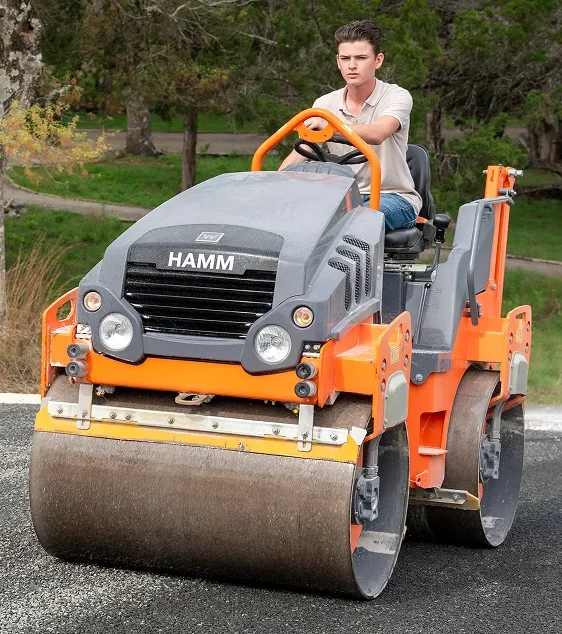
- A mechanical compactor is used to firm the base and prevent future sinking.
Concrete Mix Strength (PSI)
- For a typical sidewalk, a concrete mix with 3000 to 4000 PSI is sufficient.
- Higher loads, such as near a driveway, may require high-strength concrete exceeding 4000 PSI.
- At C. Brooks Paving, we often recommend 3500 PSI for sidewalks with occasional pressure from delivery carts or parked vehicles.
Weather and Drainage
- South Texas heat can cause surface cracks if concrete dries too fast. Timing the concrete placement and using water during the curing process help maintain a smooth finish.
- Proper drainage keeps water away from the surface and joints, reducing freeze damage and slippery conditions.
- In shaded areas prone to freeze-thaw cycles, air-entrained concrete helps prevent cracking.
Best Concrete Types for Sidewalk Installation
Here are some of the different types of concrete used for sidewalk installation:
Standard Mix (3000–4000 PSI)
- Ideal for sidewalks in residential areas.
- Balanced for cost, durability, and workability.
- Easy to pour and finish.
High-Strength Concrete
- Designed for sidewalks that support light vehicle weight.
- Delivers higher strength and resistance to wear.
Air-Entrained Concrete
- Designed to resist cracking caused by moisture freezing.
- Enhances durability and resistance in areas with poor drainage.
Fiber-Reinforced Concrete
- Increases tensile strength using synthetic fibers.
- Minimizes the need for frequent repair by reducing shrinkage cracks.
Exposed Aggregate and Stamped Concrete
- Boosts aesthetic appeal with decorative texture and finishes.
- Provides a non-slip concrete surface.
- Good option for walkways near landscaped areas.
Rapid-Set / Fast-Setting Concrete
- Best used for repair or quick installation.
- Achieves sufficient strength in hours, useful for busy paths.
Mix Proportions and Additives That Matter
The right mix proportions include cement, aggregate, and additives tailored to your environment:
- Portland cement is the primary binder.
- Aggregate (sand, gravel) gives bulk and stability.
- An additive like fibers or air-entrainment improves crack resistance.
- For decorative options, slurry may be added to expose colored stones.
Joints, Reinforcement & Finishing Techniques
- Expansion joints and control joints guide cracking and prevent random damage.
- Reinforcement such as wire mesh or fiber-reinforced concrete is used in high-traffic or long sections.
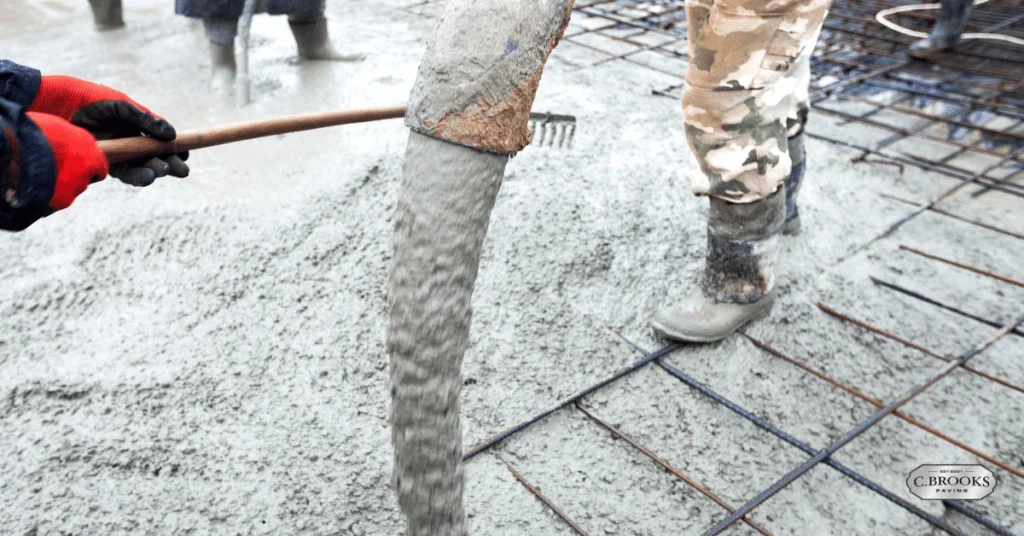
- After pouring concrete, tools like a screed and bull float are used to level and smooth the surface.
- Cleaning during and after curing ensures a neat appearance and surface integrity.
Concrete vs. Asphalt for Sidewalks
Here’s a quick comparison table:
| Feature | Concrete Sidewalk | Asphalt Sidewalk |
| Lifespan | 20–40 years | 10–20 years |
| Maintenance | Light cleaning, repair | Frequent sealing, repairs |
| Appearance | Clean, decorative | Dark, functional |
| Strength | Better compressive strength | Softer under pressure |
| Crack Resistance | Higher with joints/fibers | Prone to rutting |
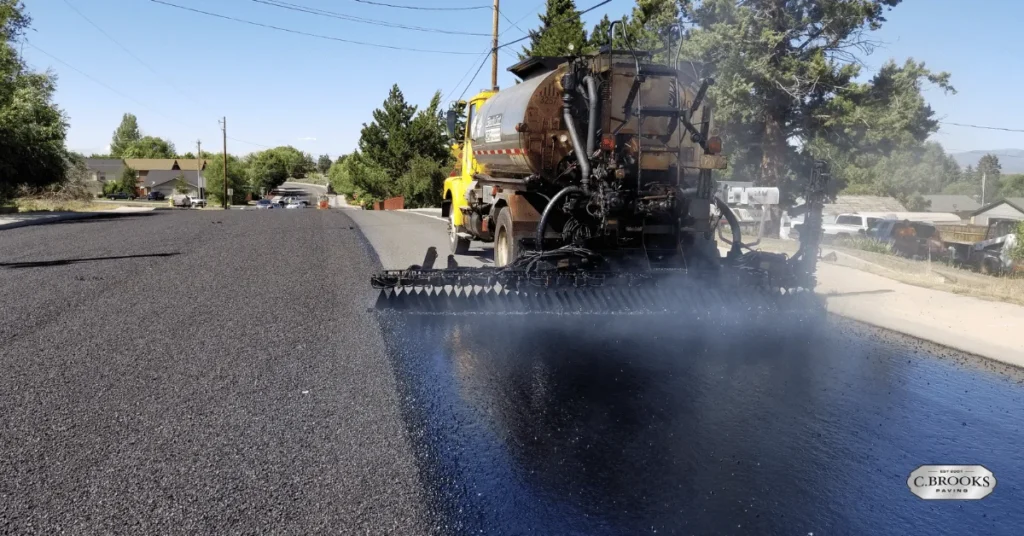
While asphalt paving is suitable for roads or large driveways, concrete sidewalks offer better visual appeal, structure, and longevity.
Common Sidewalk Issues and Repair Signs
Regular inspection helps catch issues early. Watch for:
- Sidewalk slabs that are uneven or heaving
- Large cracks or separation at joints
- Pooling water or lack of drainage
- Crumbling or spalling concrete
- Damage near fence posts or tree roots
These signs mean it’s time to plan repair, re-installation, or cleaning of the existing path.
Why Trust C. Brooks Paving for Sidewalk Work?
- 4 generations of experience in concrete mix, installation, and repair
- Local knowledge of soil shifts and freeze-thaw effects
- Custom selection of appropriate concrete for your use case
- Affordable pricing with honest estimates
- Service throughout Bulverde and South Texas
Whether it’s a new sidewalk, a cracked walkway or upgrading concrete sidewalks with decorative stamped concrete, we ensure top quality from prep to pour.
Final Thoughts
Choosing the right concrete is not just about PSI it’s about weather, location, curing, site preparation, and future maintenance. From bagged concrete to custom mixes, every sidewalk project benefits from planning, proper installation, and the right materials.
Trust C. Brooks Paving to deliver sidewalks that are built to last, whether you’re building new or tackling a much-needed repair.