Skip to content





If you’ve ever watched a Texas summer melt crayons on your dashboard or seen a surprise freeze roll through the Hill Country in January, you already know our weather keeps everyone guessing. For property owners in Bulverde and across South Texas, picking the right time to pave can add years to your driveway’s life or leave you patching cracks before your first anniversary.
When is the Best Time of Year to Pave in Texas?
After working through four generations of Texas weather at C. Brooks Paving, we’ve figured out exactly when asphalt behaves best.
The sweet spot for paving in Texas runs from late March through early June, then picks back up from September through November. Everything outside those windows? You’re rolling the dice with Mother Nature.
Why Temperature Makes or Breaks Your Paving Project
Asphalt needs a Goldilocks zone of 50 to 85 degrees to cure right. Too cold, and it hardens before compaction finishes the job. Too hot, and you’re left with a surface that stays soft and picks up every footprint and tire mark for weeks.
Here’s what happens when timing goes wrong:
- Cracks show up within the first year instead of after a decade
- Water seeps through gaps and destroys the base layer underneath
- Uneven spots develop where proper compaction never happened
- Your 20-year investment starts looking shabby in five
Texas throws everything at pavement. We get 40-degree temperature swings between sunrise and lunch. Our UV rays beat down harder than most states. Sudden storms flood roads within minutes. C. Brooks Paving has seen every weather challenge the Hill Country and South Texas can dish out, and we know timing separates driveways that last from ones that don’t.

Spring Paving Hits Different in Texas
Late March through early June gives you the most forgiving conditions for asphalt work. Temperatures settle into the 70s and low 80s, which is exactly where asphalt installers want to be. The ground has dried out from winter, so you’re working with a stable base instead of damp soil that shifts under pressure.
Spring mornings stay warm enough that fresh asphalt doesn’t cool too fast. By afternoon, you’ve still got reasonable heat without the brutal intensity of summer. For homeowners planning driveway paving, spring timing means your surface is fully cured and ready to handle summer traffic.
The main spring wildcard is rain. Texas can drop a few inches on you without much warning. Good contractors like our crew at C. Brooks Paving build weather delays into the schedule and watch forecasts closer than most meteorologists. A couple rain days won’t derail a spring project if you plan ahead.
Summer Paving: Usually a Bad Bet
Step outside at 2 p.m. in July anywhere near Bulverde, and you’ll feel exactly why summer paving creates headaches. When the thermometer hits 105 degrees, asphalt stays too soft for too long. Workers struggle to get proper compaction because the material keeps shifting under equipment weight.
Problems that show up with summer paving:
- Surface develops ripples and uneven spots that never fully smooth out
- Asphalt ages faster from immediate exposure to extreme heat
- Projects take longer because crews can only work early morning and late evening
- Afternoon thunderstorms shut down work without warning
We still handle emergency pothole repair during summer because some fixes can’t wait. Road construction on tight deadlines sometimes pushes into hot months. But if you’ve got flexibility, waiting for fall pays off every single time.
Fall: The Perfect Paving Season
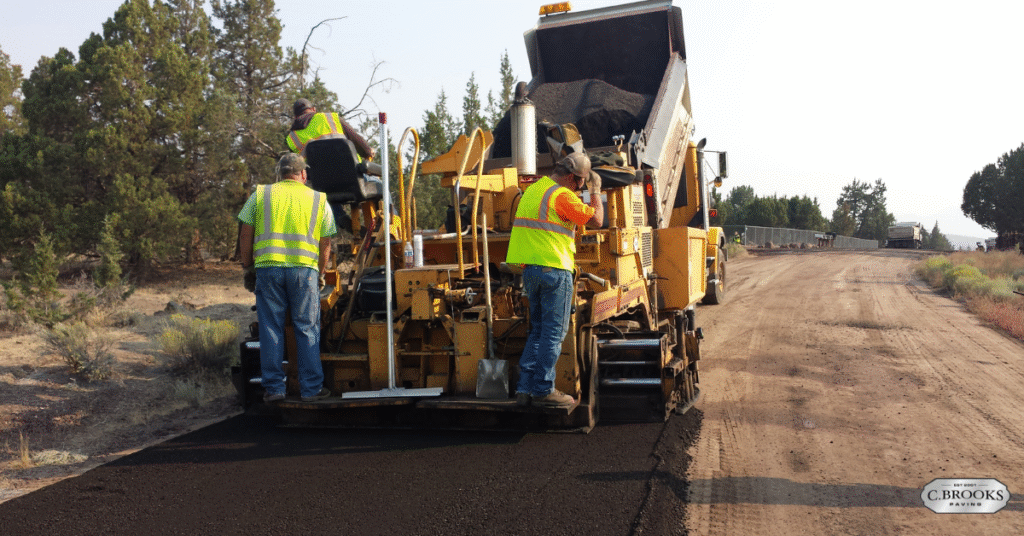
September through November might be the best weather Texas offers for any outdoor work, and paving is no exception. Temperatures drop into the comfortable range, rain becomes less frequent, and you get consistent conditions day after day.
Fall works particularly well for bigger projects. Parking lot paving needs multiple good-weather days in a row, which fall delivers more reliably than spring. The chip seal paving and tar and chip seal work we do across South Texas gets scheduled heavily in fall because dry conditions help the materials bond properly.
Your new asphalt also gets several months to cure before any cold weather arrives. Texas winters are mild, but giving pavement time to harden up before December makes a difference. Business owners like fall scheduling because customer traffic typically drops from summer peaks, making it easier to work around parking lot projects.
Winter Paving in South Texas: Possible But Tricky
Texas winters confuse everyone, including asphalt installers. You might get a 75-degree afternoon perfect for paving, followed by a 30-degree freeze two days later. This unpredictability makes winter the hardest season to schedule around.
Cold temperatures slow down curing significantly. A driveway that would be ready to use in three days during spring might need a full week in winter. Morning frost leaves surfaces damp, and you can’t lay asphalt on wet ground. The Hill Country sees more temperature swings than coastal South Texas, so location matters in winter planning.
Some maintenance work fits into mild winter days:
- Sealcoating services when temps reach the 50s or 60s
- Asphalt crack repair on dry, moderate days
- Assessment and planning for spring projects
New construction? That waits for better weather unless you’ve got an emergency situation that can’t hold.

Different Projects, Different Timing Needs
Not every paving job follows the same rules. Residential driveways give you the most flexibility since you control access and can work around family schedules. Spring and fall both work great for homeowners.
Commercial parking lots need more strategic timing. Fall scheduling lets you avoid peak business seasons while still getting favorable weather. Road construction requires extended windows of good conditions, which makes the March to June and September to November periods critical.
The specialized work we do at C. Brooks Paving, like chip seal paving, demands specific conditions. Chip seal needs consistently dry weather and moderate temps to cure right. Rush it during bad weather, and you’re looking at repairs before the year ends.
Getting Your Texas Paving Project Right
Pick your paving window carefully, and you’re setting up for decades of solid performance. Late March through early June and September through November give you the temperature stability and weather patterns that create quality results. Try to force a project during August or January, and you’re fighting uphill against conditions that work against proper installation.
C. Brooks Paving has handled four generations of Texas weather across Bulverde, the Hill Country, and South Texas. We’ve patched potholes during summer emergencies, installed miles of road construction during perfect fall days, and advised countless property owners on timing decisions that saved them money down the road.